
Let’s Go to Torino
Nestled under the Alps, Turin carries the legacy of a Roman colony, the grandeur of the Savoy court, and the distinction of Italy’s first capital — a city that delights, surprises, and stays with you long after you leave.
Torino today is one of Italy’s best-kept secrets. For years, it stayed out of the spotlight, never chasing attention, quietly holding onto its elegance and depth. While other cities drew the crowds, Torino remained reserved — and in doing so, preserved a beauty that feels untouched, authentic, and deeply refined. Visiting it now feels like discovering a place that was waiting to be truly seen.
Historically, Torino was never meant to be ordinary. Long before becoming Italy’s first capital, it was the political and cultural heart of the House of Savoy — a European court with strong ties to France and the rest of the continent. The city was designed with intention: grand avenues, royal palaces, and harmonious proportions created to express power, vision, and a distinctly European sense of grace. This is a city built not to impress loudly, but to endure beautifully.
For a long time, Torino was known more for industry than for art or lifestyle. That perception kept it under the radar, protected from excess and overexposure. Today, that same discretion has become its greatest strength. Museums, galleries, historic cafés, and contemporary cultural spaces have brought new life to the city, without altering its soul. Torino feels alive, but never crowded — cultured, but never showy.
For me, Torino is deeply personal. It is the closest city to where I was born and raised, and the place where I studied Political Science at the university. Walking through its streets still feels like home. Bringing people here is like sharing a confidence: a city that reveals itself slowly, generously, and stays with you long after you leave.
Places to See
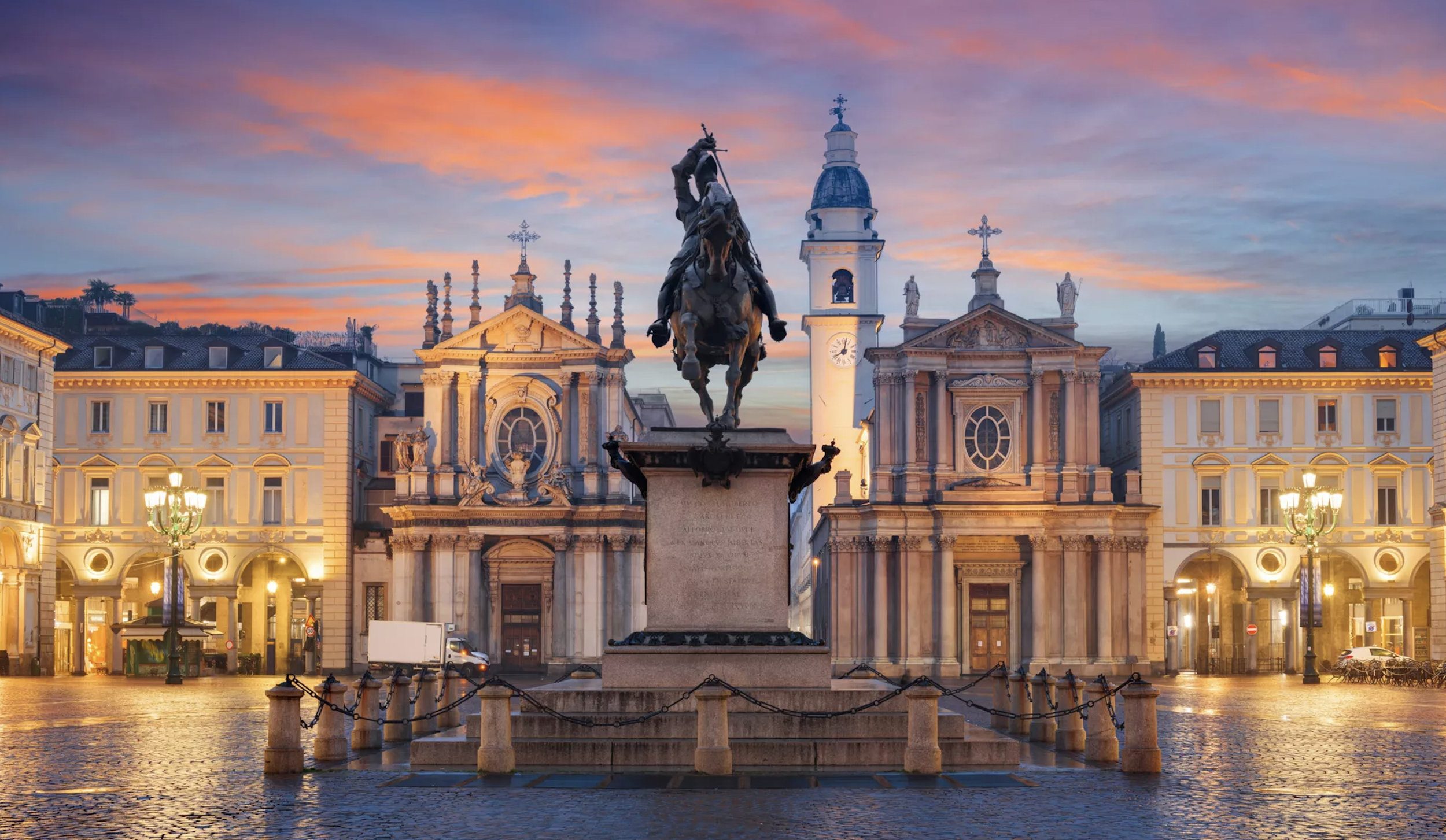
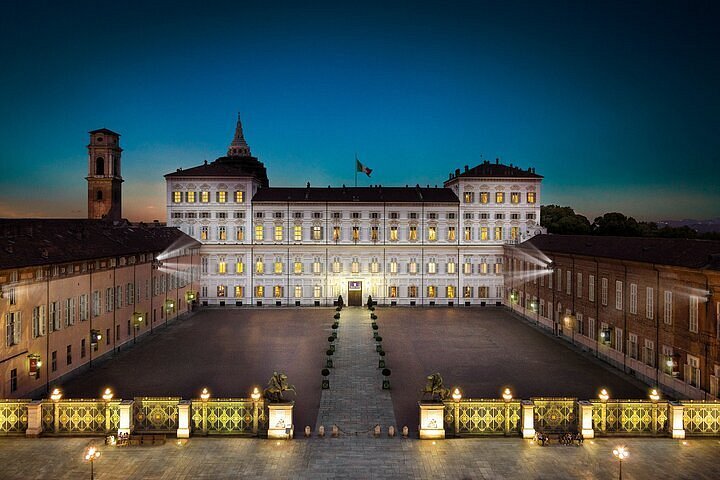
Torino reveals itself slowly, almost deliberately. Piazza Castello sits at its heart, framed by royal residences and museums that echo centuries of power, vision, and quiet authority. From here, the city unfolds in measured steps. The Mole Antonelliana rises gently above it all, not imposing but unmistakable, offering views that stretch across tiled rooftops toward the Alps on clear days.
The city’s long portici are one of its greatest pleasures. They invite unhurried walks in every season, sheltering conversations, café stops, and moments of pause. Historic cafés feel like living rooms of the city, where chocolate, vermouth, and time itself seem to slow down. Just beyond the center, the River Po traces a softer line through Torino, while the surrounding hills open to villas, gardens, and panoramic viewpoints that feel almost private, as if shared only with those who know where to look.
Torino is also inseparable from Fiat. The Lingotto, once the beating heart of Italian industry, now stands as a symbol of reinvention — home to exhibitions, design, and the iconic rooftop test track. The Museo dell’Automobile tells not just the story of cars, but of a city that helped shape modern Italy. Add to this the legacy of the Winter Olympics, which brought new life to neighborhoods and left behind a renewed confidence, and Torino emerges as a city that evolves without losing its balance. Here, beauty lives in proportion, harmony, and detail — never in excess.

What to Do
Life in Torino moves with a thoughtful rhythm. Begin the day in one of its historic cafés, places that have shaped the city’s social life for generations. Caffè al Bicerin, Farmacia del Cambio, and Caffè Fiorio are ideal starting points, where coffee and chocolate are taken seriously and mornings feel grounded and unhurried. Ordering a bicerin (a layered drink of espresso, hot chocolate, and whipped cream), remains one of the most authentic ways to ease into the city.
Lunch in Torino is a moment to slow down and enjoy Piemonte at its best. At traditional osterias like Ristorante Consorzio, Scannabue, or Tre Galline, dishes celebrate seasonality and craftsmanship with agnolotti, vitello tonnato, and tajarin meant to be savored without hurry. For a more refined experience, del Cambio offers Michelin-recognized cuisine where tradition and elegance meet, turning every meal into a memory.
Afternoons invite exploration. A visit to Mercato di Porta Palazzo, Europe’s largest open-air market, pulses with life, offering fresh produce, cheeses, and spices while giving a glimpse into everyday Torino. As with any lively market, it’s wise to be aware of your surroundings, as pickpockets can take advantage of busy crowds. Wandering the streets nearby, Via Roma connects Piazza Carlo Felice to Piazza Castello, where refined storefronts mix Italian and international brands, perfect for a leisurely shopping stroll. Smaller side streets reveal artisans, boutique jewelry, bespoke shoes, and clothing, each piece telling a quiet story of craftsmanship. Between stops, there is always time for chocolate. Historic houses such as Guido Gobino, Peyrano, Stratta, and Baratti & Milano continue to honor Torino’s tradition of gianduiotto and fine chocolate, a sweet reminder of the city’s timeless craft.
Teatro Regio is one of Italy’s great opera houses, and securing last-minute tickets for opera or ballet can feel like an unexpected luxury for those in the know. For a more informal evening, Torino offers a wealth of charming osterias, trattorias, and vinotecas. Places like Vineria il Goccetto, Osteria Antiche Sere, or Enoteca Rabezzana serve local wines alongside small plates and seasonal bites, creating relaxed moments to savor Piemonte’s flavors without formality. Aperitivo can also be a gentle ritual — a romantic spot along the Po river or one of the intimate wine bars tucked under the portici, where carefully chosen bottles and soft conversation set the tone. Evenings in Torino are cultured, gentle, and quietly unforgettable.
Torino doesn’t overwhelm. It invites. And those who follow its pace are rewarded with a city that feels generous, cultured, and quietly unforgettable.
Would you like to visit Torino?
With The Italian Vibe, every visit is personally curated,
offering exclusive access to vineyards, cellars, and tastings — crafted entirely for you.